No products in the cart.
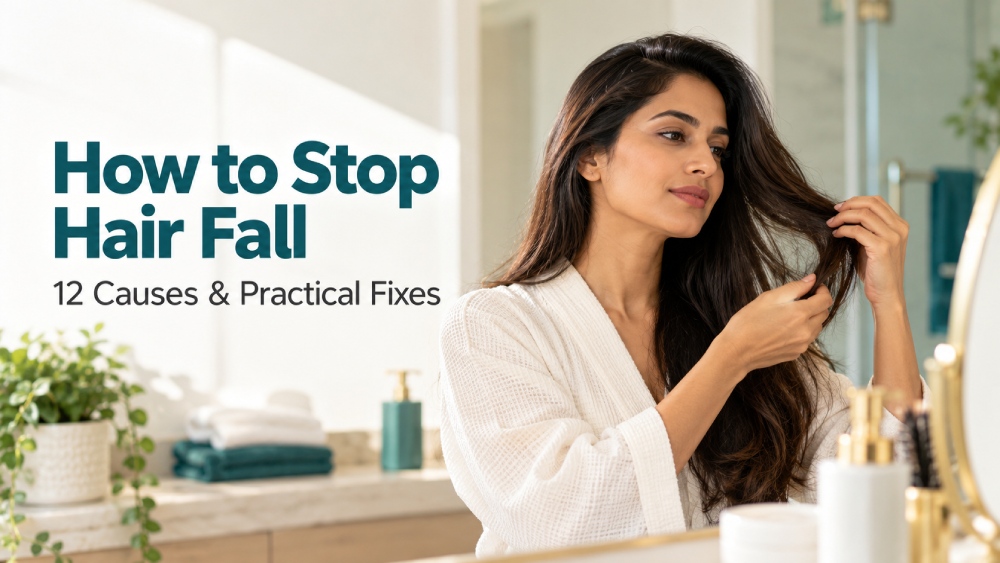
How to Stop Hair Fall: 12 Causes and Fixes, From Diet to Scalp Care
Spotting a clump of hair in the shower drain or on your comb is enough to make anyone anxious. The good news is that some daily shedding is completely normal, and hair fall usually has a cause you can identify and work on. If you want to know how to stop hair fall, the most useful first step is not buying a product. It is finding out why your hair is falling.
This guide covers 12 common causes of hair fall, practical fixes, home care tips, realistic expectations for seven days, and when to see a dermatologist.
How Much Hair Fall Is Normal?
The American Academy of Dermatology (AAD) says it is normal to shed 50 to 100 hairs a day Hair grows in cycles, so at any moment some strands are resting and ready to fall. Washing also collects hairs that have already loosened, which is why the drain can look alarming.
Two different problems can look similar:
- Excessive shedding (telogen effluvium): far more hairs fall than usual, often a few months after a stressor such as illness or childbirth. It is usually temporary.
- Hair loss: something interferes with hair growth itself, such as inherited thinning, an immune condition, certain drugs or damaging hair practices.
A dermatologist can tell which one you have, and some people have both.
Common Causes of Hair Fall: Why It Is Rarely Just One Thing
Hair fall can result from illness, stress, nutritional deficiencies, hormonal changes, inherited conditions, or scalp problems. Identifying the cause helps determine the right treatment.
12 Causes and Fixes: Why Your Hair May Be Shedding
1. Illness, fever, surgery or childbirth
Shedding often starts a few months after the event. After childbirth it can begin around two months and usually peaks near the four-month mark, per the AAD.
2. Emotional stress and poor sleep
A stressful period, such as caring for a sick relative or losing a job, can trigger shedding, and the AAD notes it can last as long as the stress does.
What helps: a steady sleep schedule, daily movement and talking things through with someone you trust. None of this regrows hair overnight, but it supports your body’s return to a normal hair cycle.
3. Nutritional gaps

The AAD lists too little biotin, iron, protein or zinc as a cause of noticeable hair loss, and hair can regrow once the missing nutrient is restored.
What helps: meals with enough protein (dals, eggs, paneer, sprouts, lean meats) plus leafy greens and nuts. If you suspect a deficiency, get a blood test first. Iron, in particular, should be supplemented only when a doctor confirms you need it.
4. Crash dieting and rapid weight loss
Losing about 9 kg (20 pounds) or more is a recognised trigger for excessive shedding, according to the AAD.
What helps: gradual weight loss with adequate protein and calories, ideally guided by a doctor or dietitian.
5. Thyroid problems
A thyroid problem can thin hair, and some people notice strands coming out in clumps. The AAD says treating the thyroid condition can reverse the hair loss.
What helps: if hair fall comes with other changes you cannot explain, ask your doctor about thyroid testing.
6. Hormonal changes
Conditions such as polycystic ovary syndrome (PCOS), or stopping some birth control pills, can cause thinning on the scalp, says the AAD.
What helps: a check-up with a gynaecologist or dermatologist. Treating the underlying imbalance may help.
7. Inherited pattern hair loss
The AAD calls this the most common cause of hair loss worldwide. Women usually notice overall thinning or a widening part; men often see a receding hairline or a thinning spot on top of the head.
What helps: early assessment. Treatment can slow or stop the loss and may help regrow hair, and the earlier it starts, the better it works.
8. Scalp conditions
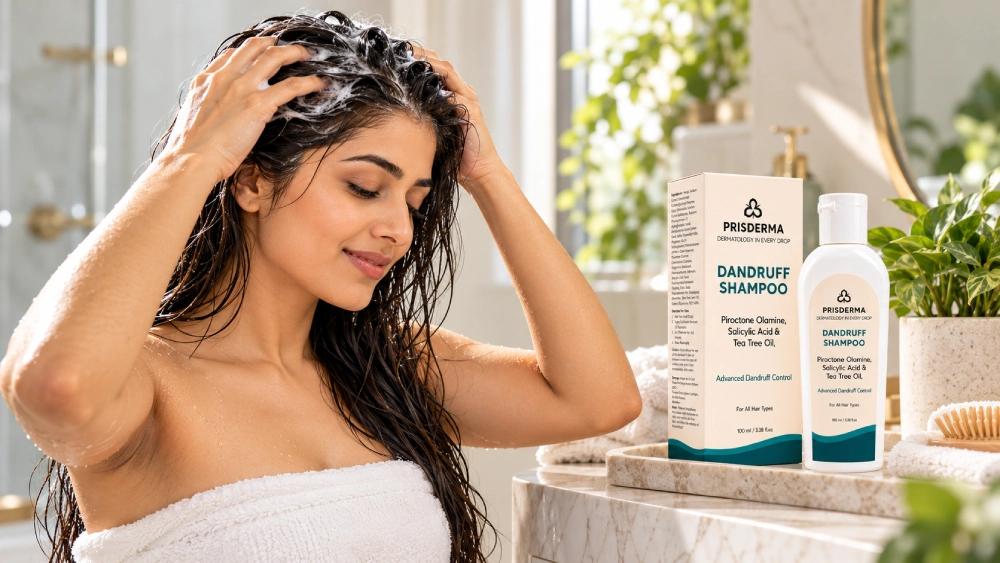
Dandruff, scalp infections and scalp psoriasis can leave the scalp itchy, scaly or inflamed. The AAD notes that scalp infections and scalp psoriasis can lead to hair loss, and hair tends to regrow once they clear.
What helps: for ordinary flaking, regular use of a gentle anti-dandruff shampoo supports scalp health, for example Prisderma Anti-Dandruff Shampoo, a sulphate-free and paraben-free formula. A red, painful or patchy scalp needs a doctor, not just a shampoo.
9. Harsh hair care
Colouring, perming and relaxing can damage hair, and the AAD says over time this damage can lead to hair loss. Once a follicle is damaged, hair cannot grow from it. Heat tools add to breakage.
What helps: space out chemical treatments, lower the heat and handle wet hair gently.
10. Tight hairstyles
Hairstyles that constantly pull on the scalp can cause traction alopecia, a form of hair loss that can become permanent, according to the AAD.
What helps: loosen ponytails and braids, rotate your styles and avoid pulling at the hairline.
11. Medicines
Hair loss is a possible side effect of some medicines.
What helps: ask the doctor who prescribed it. The AAD warns against stopping a medicine on your own, because abruptly stopping some of them can cause serious health problems.
12. Patchy or sudden loss from autoimmune or scarring conditions
In alopecia areata, the immune system attacks hair follicles, often causing round bald patches. In scarring alopecia, inflammation destroys follicles, and the AAD says catching it early can prevent further loss.
What helps: see a dermatologist promptly rather than self-treating patchy hair loss.
Hair Fall Control Tips You Can Start Today
If you are working out how to stop hair fall whatever the cause, these hair fall control tips protect the hair you already have:
- Eat well: Include protein-rich foods and varied nutrient sources.
- Wash appropriately: Adjust washing frequency to your scalp and hair needs.
- Handle gently: Detangle carefully and reduce heat styling.
- Avoid tight hairstyles: Choose styles that do not pull on the scalp.
- Manage stress and sleep: Maintain regular sleep habits and daily movement.
- Track changes: Photograph your hairline and parting every 2–4 weeks.
How to Stop Hair Fall Naturally at Home
Natural does not have to mean kitchen experiments. The habits that help most are the ones above: a balanced diet, gentle handling, a clean scalp and good sleep. A few other ideas come up often:
- Scalp massage: can feel relaxing and may support scalp circulation, but evidence for hair growth is limited.
- Coconut oil before washing: may reduce protein loss from the hair shaft and cut breakage. It does not address the cause of hair fall.
- Onion juice: small studies have looked at it only in alopecia areata, not general hair fall.
- Rice water, curd and other kitchen masks: popular, but with limited evidence behind them for stopping hair loss.
Home remedies may improve hair condition or reduce breakage, but they cannot treat every cause of hair loss. If shedding continues, consult a dermatologist. Learn more in our guide to home remedies vs. hair growth kits
How to Stop Hair Fall in 7 Days: What Is Realistic
You cannot reliably stop the underlying hair-loss process in seven days. However, you can reduce avoidable breakage, improve scalp care, and begin identifying possible triggers.
What can change in a week:
- Less breakage from gentler combing, lower heat and looser styles
- A calmer, cleaner scalp if flaking was an issue
- Clarity about the likely cause
A simple one-week plan:
- Days 1-2: list recent triggers (illness, a new medicine, crash dieting, stress, new products).
- Day 3: pause heat styling and loosen tight hairstyles.
- Day 4: set a wash routine that suits your scalp.
- Day 5: review your plate for protein, iron and zinc sources.
- Day 6: fix a sleep time and take baseline photos of your parting and hairline.
- Day 7: decide whether shedding is heavy, sudden or patchy enough to book a dermatologist.
Hair Fall Treatment Options and When to See a Doctor
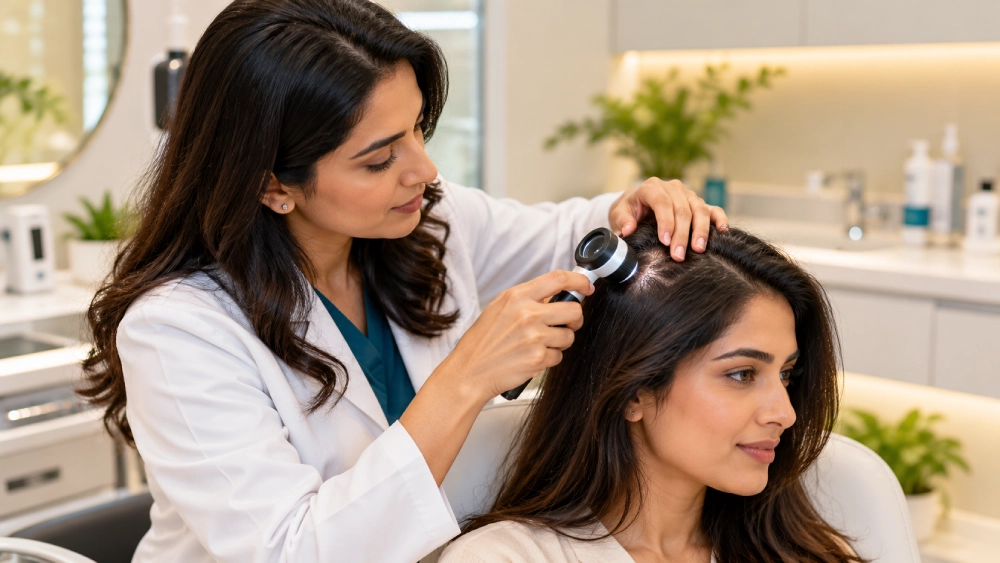
A lasting hair fall solution starts with a diagnosis, because treatment depends on the cause:
- Treat the trigger: correct a confirmed nutrient deficiency, treat thyroid disease or review a medicine with your doctor.
- Scalp and hair care: Gentle cleansing can support scalp health. Prisderma’s Hair Growth Serum is designed for daily scalp application. Follow the product instructions and consult a healthcare professional if you have concerns.
- Nutritional support, if a gap is confirmed: Prisderma Unisex Hair Growth Gummiescontain biotin, zinc and marine collagen, among other ingredients, and are taken one a day for at least 12 weeks. The Men’s and Women’s Hair Growth Kits are capsule-based supplements with their own cautions (the women’s kit is not for pregnant or breastfeeding women, people with fish allergies or those on blood thinners). These are nutritional supplements, not medicines. Read the label and check with your doctor first.
- Medical treatment: a dermatologist can diagnose the type of hair loss and recommend prescription treatment where appropriate. The AAD says effective options exist for many types of hair loss and that the sooner treatment starts, the better the outlook, although treatment does not work for everyone.
See a doctor if you notice:
- Sudden hair loss or hair coming out in clumps
- Round or patchy bald spots
- A red, scaly, itchy, burning or painful scalp
- Shedding that has not settled after a few months of sensible care
- Hair fall that began after starting a new medicine (do not stop it yourself)
- Hair loss that is affecting your confidence or mood
The NHS advises seeing a GP first to find out what is behind the problem before turning to a commercial hair clinic.
FAQs
How much hair fall per day is normal?
Losing 50 to 100 hairs a day is considered normal by the AAD. If you are losing noticeably more for several weeks, or seeing clumps or bald patches, get it checked.
Can hair fall be stopped completely?
It depends on the cause. Temporary shedding after illness, childbirth or stress usually settles by itself over months. Inherited thinning tends to continue without treatment. No product or routine can guarantee regrowth.
Does stress cause hair fall?
Yes. A stressful period can trigger excessive shedding a few months later. It is usually temporary, but it can last longer if the stress continues.
Which nutrients matter most for healthy hair?
The AAD names biotin, iron, protein and zinc. Get tested before taking supplements, and take iron only on medical advice.
Does anti-dandruff shampoo reduce hair fall?
It can help if flaking and scalp irritation are part of the problem, because a clean, calmer scalp supports healthier hair. It will not address inherited, hormonal or nutritional causes.
When should I see a dermatologist?
See one for sudden, severe, patchy or persistent hair loss, a painful or inflamed scalp, or hair fall that began after starting a medicine.
Your Next Steps
Understanding the cause of hair fall is the first step toward better hair care. Explore Prisderma’s hair care range to find products suited to your routine. Explore Prisderma Hair Care.
If hair fall is sudden, persistent, or accompanied by scalp irritation, consult a dermatologist.
Leave a Reply