No products in the cart.
Anti-Dandruff Treatment: Your Complete Guide to a Healthy, Flake-Free Scalp
Have you ever worn your favourite black outfit only to notice tiny white flakes resting on your shoulders? It can be frustrating, embarrassing, and enough to make you rethink your entire hair care routine. The good news is that dandruff is one of the most common scalp concerns, and the right anti-dandruff treatment can help you regain confidence while improving your overall scalp health. Many people assume dandruff is simply the result of poor hygiene. In reality, it can develop due to several factors, including stress, seasonal changes, excess oil production, dry skin, and even the hair products you use. Since every scalp is different, treating dandruff isn’t about hiding flakes-it’s about understanding what’s happening beneath the surface.
Having a hair care routine that’s just right for you can make a big difference. Using the best anti-dandruff shampoo every week helps get rid of flakes, stops itching, and brings back the natural balance of your scalp. When you combine this with taking good care of your scalp, it’s much easier to keep dandruff from being a problem. This way, you can keep your scalp healthy and your hair looking its best.
Let’s take a closer look at why dandruff occurs, how to identify your scalp type, and the everyday habits that can help you enjoy healthier, stronger hair.
Understanding the Root Causes of Dandruff
Dandruff doesn’t appear overnight. It develops gradually and is rarely caused by poor hygiene alone. While many people believe skipping hair washes is the main reason for dandruff, the condition is actually influenced by several factors working together. Understanding these causes is the first step toward choosing the right treatment and preventing frequent flare-ups.
Dandruff is one of the most prevalent problems associated with the scalp across the globe, affecting about 50% of the entire adult world population. According to dermatological studies, dandruff affects nearly 50% of India’s adult population, making it one of the country’s most common scalp conditions and a leading reason for the use of flake reduction shampoos and scalp care products.
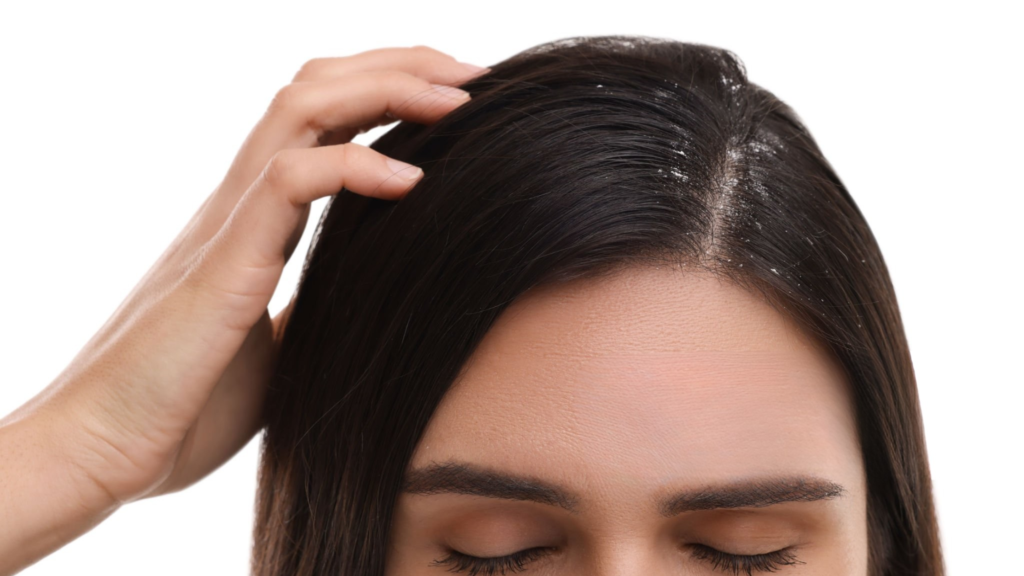
One of the main contributors is Malassezia, a naturally occurring yeast that lives on everyone’s scalp. It feeds on the scalp’s natural oils (sebum). In some people, this yeast multiplies excessively, irritating the scalp and speeding up the shedding of skin cells. Instead of shedding invisibly, these dead skin cells clump together, creating the visible white or yellowish flakes associated with dandruff.
However, Malassezia is only part of the story. Several other factors can trigger or worsen dandruff, including:
- Excess oil production: which creates an ideal environment for yeast to thrive.
- Dry skin: especially during colder months, which can lead to flaking and irritation.
- Stress: which may weaken the skin’s natural barrier and increase scalp sensitivity.
- Hormonal changes : particularly during puberty and adulthood, which can increase oil production.
- Weather changes : such as cold, dry winters or hot, humid conditions, that affect scalp balance.
- Product buildup : from styling products, dry shampoos, or heavy oils that can irritate the scalp.
- Infrequent shampooing : allowing excess oil and dead skin cells to accumulate.
- Sensitivity to certain hair care products : which may cause redness, itching, and flaking similar to dandruff.
In some cases, persistent dandruff may be linked to underlying skin conditions such as seborrheic dermatitis, eczema, or psoriasis. If flakes are severe, accompanied by intense redness, or do not improve with dandruff shampoo, it’s best to consult a dermatologist for a proper diagnosis.
Understanding the root cause of your dandruff helps you choose treatments that address the problem instead of simply hiding the flakes. Using the right anti-flake shampoo, maintaining a consistent scalp care routine, and avoiding known triggers can significantly reduce flare-ups and promote a healthier scalp over time.
Not Every Flake Means Dandruff
A lot of people think a dry scalp and dandruff are the same, but they are very different conditions that require different treatments. Both can cause flakes, but that’s where the similarities end.
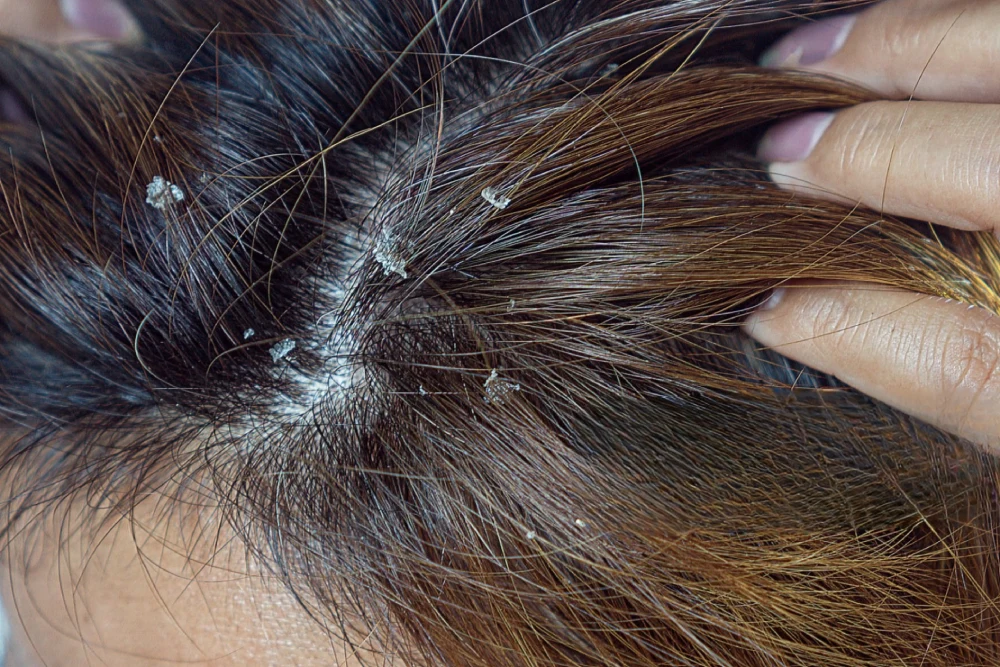
A dry scalp lacks moisture, leading to small, dry flakes and a feeling of tightness. Dandruff, on the other hand, is usually linked to an oily scalp and often causes itching along with larger, greasy flakes.
To restore your scalp’s health, it’s important to identify your scalp type. Using the wrong shampoo can make the problem worse. A moisturizing shampoo may not help dandruff, while an anti-flake shampoo can further dry an already dry scalp. Choosing the right anti dandruff shampoo for your scalp type can effectively reduce flakes, relieve itching, and support long-term scalp health. Understanding your scalp’s needs is the first step toward healthier, flake-free hair.
Ingredients That Actually Make a Difference
The effectiveness of a scalp treatment shampoo depends largely on its ingredients.
Dermatologists commonly recommend ingredients such as Zinc Pyrithione, Ketoconazole, Salicylic Acid, Selenium Sulfide, and Piroctone Olamine because they target the underlying causes of dandruff by controlling Malassezia yeast, reducing excess oil, minimizing flakes, and soothing scalp irritation. Each ingredient offers unique benefits that contribute to a healthier scalp:
- Zinc Pyrithione: Helps reduce the growth of Malassezia yeast, controls dandruff, relieves itching, and supports a healthier scalp.
- Ketoconazole: A potent antifungal ingredient that targets Malassezia, reduces flaking, and helps manage persistent dandruff and seborrheic dermatitis.
- Salicylic Acid: Gently exfoliates dead skin cells, loosens stubborn flakes, reduces scalp buildup, and enhances the effectiveness of other active ingredients.
- Selenium Sulfide: Slows the overproduction of scalp skin cells, decreases Malassezia growth, and helps reduce dandruff, scaling, and irritation.
- Piroctone Olamine: Controls fungal growth while soothing the scalp, reducing flakes, and promoting overall scalp comfort and healthier-looking hair.
Natural ingredients such as Tea Tree Oil can also help soothe mild dandruff, while Niacinamide strengthens the scalp barrier and reduces sensitivity.
Rather than switching between multiple products, look for a formula that combines clinically proven ingredients with gentle scalp care.
The Hidden Impact of Ignoring Dandruff
Not taking care of dandruff for a long time can be bad for your hair. It doesn’t directly make your hair fall out, but it can still cause problems if you don’t do anything about it.
When your scalp itches, you tend to scratch it a lot, and that’s not good for your hair. All that scratching can weaken the roots of your hair and hurt the scalp’s natural protection. If your scalp stays inflamed for a long time, it can even make you lose hair temporarily.
Starting a scalp treatment shampoo as soon as possible is a good idea. This helps your scalp get healthier, which is great for growing strong hair. When your scalp is healthy, it gives your hair a better chance to grow. So, don’t wait – start taking care of your scalp and hair today.
Everyday Habits That Help Prevent Dandruff
Preventing dandruff isn’t just about choosing the right shampoo-it’s about maintaining healthy scalp habits every day.
Simple lifestyle changes can make a significant difference:
- Wash your hair according to your scalp type.
- Avoid leaving sweat on your scalp after workouts.
- Drink plenty of water to keep your skin hydrated.
- Eat foods rich in zinc, omega-3 fatty acids, and vitamins.
- Reduce stress through regular exercise or meditation.
- Limit excessive heat styling.
When practiced consistently, these habits help prevent dandruff while improving overall scalp balance.
Finding the Right Shampoo Routine
Using an anti-flake shampoo too often or not often enough,can both affect your results.
In order to achieve the optimal effects, the frequency of the application of the shampoo against dandruff should be equal to the seriousness of your dandruff problem. The overuse or underuse of the shampoo may make it ineffective.
- If your dandruff problem is rather mild, then the usage of shampoo once or twice a week is quite enough for the prevention of the symptoms and keeping your scalp healthy.
- If you have more severe dandruff, with constant flaking and itching, then the usage of the shampoo two-three times a week would be necessary until the symptoms go away. After that, you will only need to use it once a week.
The regular usage of the same effective dandruff shampoo would be preferable regardless of the seriousness of your dandruff. Consistency is more effective than switching between multiple shampoos.
Hair Washing Mistakes That Can Make Flakes Worse
Sometimes, the solution isn’t changing products but changing habits.
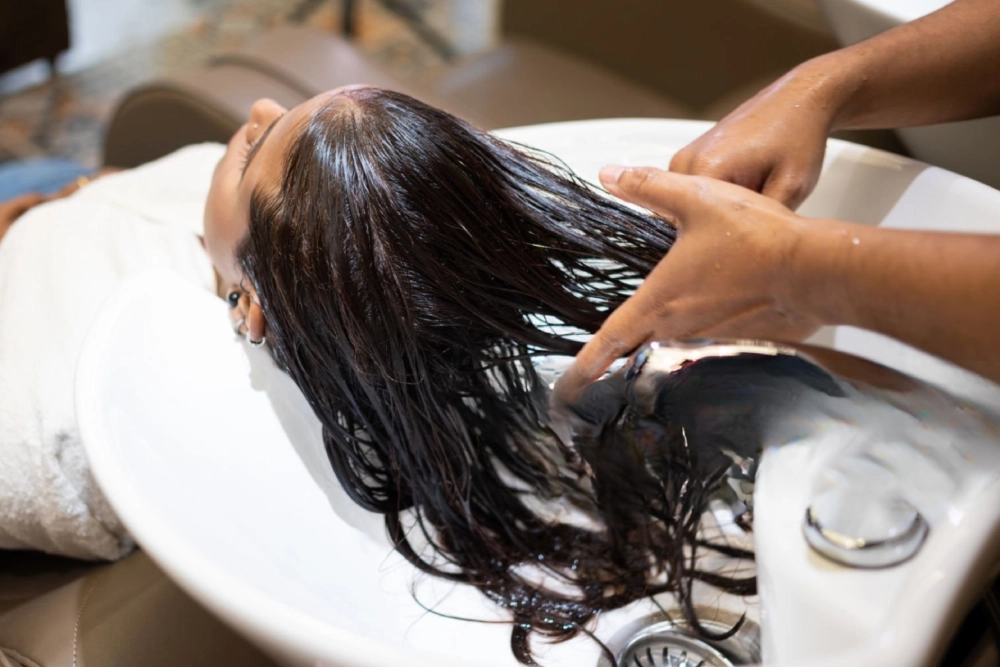
Common mistakes include washing with very hot water, leaving shampoo residue on the scalp, applying conditioner directly to the roots, scratching vigorously with fingernails, or waiting too long between washes if you have an oily scalp.
Gentle cleansing and proper rinsing help maintain a balanced scalp environment.
Caring for Your Scalp Based on Its Needs
No two scalps are alike, which is why your hair care routine should match your scalp type.
- If you have an oily scalp, choose lightweight cleansing products, wash regularly, and avoid heavy styling creams that leave residue.
- If your scalp is dry, opt for hydrating shampoos, wash less frequently, and use lukewarm water instead of hot water to retain natural moisture.
Personalizing your routine is one of the easiest ways to support long-term scalp health.
Seasonal Changes and Their Effect on Your Scalp
Changes in seasons may trigger dandruff flares. Cold weather and dryness during winter may dry out the scalp and cause flaking and irritation. Hot weather, sweating, and overproduction of oils may create the perfect environment for Malassezia yeast during the summer season, thereby exacerbating dandruff issues.
To protect your scalp from any form of irritation or inflammation, drink plenty of water, avoid overly hot showers, remove sweat and oil from your scalp, wear loose hats or caps, and follow your regular scalp repair regimen. Continue treatment even after flaking is no longer visible.
Build a Simple Scalp Care Routine That Lasts
Healthy hair begins long before the strands become visible-it starts at the scalp.
A balanced routine includes cleansing with an effective scalp care shampoo, gently massaging the scalp to improve circulation, rinsing thoroughly, conditioning only the hair lengths, and avoiding excessive product buildup.
When you eat well, drink plenty of water, and manage your stress, you’re giving your hair a great chance to be strong and healthy. Adding some simple habits to your daily routine can make a big difference. By doing these things together, you’re creating the perfect conditions for your hair to grow and thrive.
Give Your Scalp the Care It Deserves
Flake-free and healthy hair starts from a healthy scalp, and the choice of products used for proper care is essential here. The use of a good flake-control shampoo may be helpful in controlling the occurrence of dandruff and soothing irritation of your scalp.
If you need a shampoo that would help you deal with dandruff but at the same time not irritate your skin, Prisderma’s Anti-Dandruff Shampoo would be the best choice for you since it includes carefully chosen ingredients to fight microorganisms causing dandruff, to ease itching and to refresh your scalp.
Let’s start caring about your healthy scalp and hair with the use of Prisderma’s Anti-Dandruff Shampoo
Frequently Asked Questions
What are the main causes of dandruff?
Usually excess oil combined with scalp yeast, dry weather, stress, and product buildup.
Can dandruff be cured permanently?
It can be controlled effectively, though it may return if triggers are not managed.
Can dandruff return after treatment?
Yes. While dandruff can be effectively managed, it may return if the underlying causes aren't addressed or your scalp care routine is discontinued.
Is dandruff more common during winter?
Yes. Cold weather and lower humidity can dry out the scalp and make flakes more noticeable.
Can stress trigger dandruff?
Stress doesn't directly cause dandruff, but it can weaken your skin's natural barrier and make flare-ups more frequent.
Should I use anti-dandruff shampoo even after flakes disappear?
A maintenance routine, usually once a week, helps keep dandruff from returning.
Does dandruff spread from person to person?
No, dandruff is not contagious.
Should I oil my hair if I have dandruff?
Only if your dandruff is due to dryness. Heavy oiling may worsen oily dandruff.
When should I see a dermatologist?
If dandruff persists despite treatment or is accompanied by redness, pain, or significant hair loss.
Leave a Reply